2019/04/16
Simon Schama - A History of Britain: "Beginnings"
A friend of mine gave me this amazing DVD series on the History of Britain. As I have spent the time perusing it, I took notes for future reference. Most of these notes are in the voice of the narrator and, while in order, only provide a brief summary of the episode and not a full transcription. I am really enjoying this series and intend to do a summary of every episode... although that may take me a few months. Here are my notes for the first episode titled "Beginnings."
From its earliest days Britain was an object of desire.
By 1000 BC things were changing fast. All over the British landscape a protracted struggle for good land was taking place. Forests were cleared so that iron age Britain was not, as was once romantically imagined, an unbroken forest kingdom stretching from Cornwall to Inverness. It was rather a patchwork of open fields dotted here and there with woodland copses giving cover for game -especially wild pigs.
And with tribal manufacturers came trade. The warriors, druid priests, and artists of iron age Britain shipped their wares all over Europe trading with the expanding Roman Empire. In return, with no homegrown grapes or olives, Mediterranean wine and oil arrived in large earthenware jars. So iron age Britain was definitely not the back of beyond. Its tribes may have all led lives separated by custom and language and they may have not had any great capital city, but taken together they added up to something in the world.
And so, in the written annuals of Western history, the islands now had not only a name-Britannia- but a date of 55 BC when Julius Caesar launched his galleys across the channel.
The person we usually think of who embodied British national resistance to Rome- Queen Bouducca of the East Anglian tribe of Iceni- actually came from a family of happy even eager collaborators. It only took a policy of incredible stupidity, arrogance, and brutality on the part of the local Roman governor to turn her from a warm supporter of Rome into its most dangerous enemy.... Her great insurrection ended in a gory, chaotic slaughter.
Hadrian's wall
A world of garrisons and barracks had now become a society in its own right. From the middle of the second century it makes sense to talk about a Romano-British culture. Not just as a colonial veneer imposed on a resentful natives but as a genuine fusion.
And, when in the year of 410 Alaric The Goth sacked Rome and the last two legions parted to prop up the tottering empire, that chill developed into an acute anxiety attack. This is one of the genuinely fateful moments in British history.
Eventually though the Roman adaptations became ever more makeshift; the fabric of Roman life increasingly threadbare until it did indeed fall apart altogether. The island was now divided into 3 utterly different realms. The remains of Britannia hung on in the west. North of the abandoned walls and ports the Scottish tribes for the most part remained pagan, and England, the land of the Anglo-Saxon and Judes, was planted in the east all the way from Kent to the kingdom of Bernicia.
The history of the conversions between the 6th and the 8th centuries is another of those crucial turning points in the history of the British Isles. While the legions had long gone, the shadow of Rome fell once again on these islands. This time though it was an invasion of the soul and the warriors were carrying Christian gospels rather than swords.
We have to remember that the most famous of the early missionaries to Ireland -Saint Patrick- was in fact a Romano-British aristocrat. (The patrician as he called himself) So there was nothing remotely Irish about the teenager who was kidnapped and sold into slavery by Irish raiders sometime in the early 5th century. It was only after he escaped (probably to Brittany) and ordained... then visited by prophetic dreams that he returned to Ireland... this time the messenger of God's gospel.
Bede was not just the founding father of English history; arguably he was also the first consummate storyteller of all of English literature. He was not exactly well-traveled- he spent his entire life here in Jarrow. It was his masterful grip on narrative that made Bede not just an authentic historian but also a brilliant propagandist for the early church.
The Viking raids that they knew could strike hard and fierce at any moment. In addition to land the Vikings were keen on one other kind of merchandise - people whom they sold as slaves. On the positive side there is one thing that the Vikings managed to do however inadvertently. They created England. By smashing the power of most of the Saxon's kingdoms, the Vikings accomplished what left to themselves the warring tribes could never have managed - some semblance of alliance against a common foe.
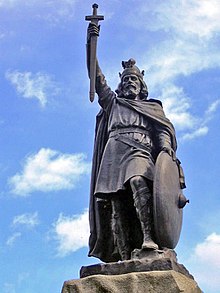
Through Alfred the Great, England got something that it hadn't had since the legions departed; an authentic vision of a realm governed by law and education. A realm which understood it's past and its special destiny as the Western bastion of a Christian Roman world. By the spring of 878 Alfred had managed to piece together an improvised alliance of resistance. During Alfred's lifetime the idea of a United English kingdom had become conceivable and even desirable.
Alfred's grandson would be crowned the first king of England in Bath.
pictures from: mine, https://en.wikipedia.org/wiki/Boudica, https://en.wikipedia.org/wiki/Saint_Patric, https://en.wikipedia.org/wiki/Alfred_the_Great
Labels:
"History of Britain",
Alarich the Goth,
Alfred the Great,
Anglo -Saxons,
Bede,
Brittania,
Christian,
Julius Caesar,
Queen Bouducca,
Roman Empire,
Saint Patrick,
Simon Schama,
Vikings
2019/04/15
Shark Diversity and Order
Sharks come in many sizes and shapes and have a great deal of diversity in the over 500 plus species of living animals. Currently, science divide sharks into 9 specific orders; there are actually 13, but four orders of sharks are entirely extinct. And all sharks -big and small- fit into these categories.
1. Carcharhiniformes, otherwise known as the ground sharks or whaler sharks, include some of the most well known sharks. There are over 270 species making this order the largest of all shark orders. It includes the tiger shark, hammerhead sharks, hound shark, cat shark, shy eye shark, all of the reef sharks, and the bull shark. Some traits that differentiates these sharks from others is their lack of an inner eyelid and enlongated snouts. They average eighteen inches to twenty feet in length.
2. The order Echinorhiniforme contained only two sharks; The prickly shark and the bramble shark. These sharks are named due to the thorn like denticles covering their skin and are slow swimming sharks that dwell in the bottoms of their chosen environments
3. Lamniformes, otherwise known as the mackerel sharks, include the most famous shark- the great white. There are 15 species in this order which also includes the megamouth shark, mako shark, thresher shark, goblin shark, porbeagle shark, sand tiger shark, and basking shark. They have large jaws and give birth to live offspring. Sometimes their offspring will eat their siblings in the womb before birth. They range from 3 to 32 feet in length
4. The order Hexanchiformes, otherwise known as the six gill or cow sharks, contains only seven species and are the rarest and most primitive of all living sharks. Their defining characteristics include six or seven gill slits (all other sharks have five gill slits) and they have only one dorsal fin. This order contains the frilled shark, the cow shark, and the broadnose seven gill. They prefer cold, deep water.
5. Heterodontiforme is the name of the order that contains the bullhead sharks or horned sharks. This order only contains nine species which include the horn shark, Port Jackson shark, and the Zebra Bullhead shark. Its defining characteristic is a big head with large brows. They live off of crustaceans, mollusks, and sea urchins.
6. Squatiniformes, otherwise known as the angel sharks, are sharks that have bodies that are flattened like ray's / skates and live on the bottom of the sea and sandy places where they can easily hide. They average 4 to 6 feet in length from nose to tail end. This order includes the clouded angelfish and sand devil.
7. Orectolobiformes, also known as the carpet sharks or the wobbegongs, are defined by the ornate skin patterns that look like fancy carpets, nasel barbels as well as having a mouth in front of their eyes. Comprised of 39 species, this is the most diverse order of sharks and they come in all shapes and sizes. They range from 12" to 46 feet in length and include the nurse sharks, wobbegong, bamboo sharks, zebra shark, and the whale shark- the largest fish in the world.
8. Squaliformes, also known as the dogfish sharks,has about 126 different species and includes the world's smallest shark: the dwarf lattern shark. Species include the gulper sharks, lattern sharks, dogfish sharks, cookie-cutter shark, and the Greenland shark.
9. Order Pristiophoriformes contains the saw sharks or carpenter sharks. It's members have long, flat, toothy saw-like snouts. They average out at 5 feet long and are bottom dwellers. Their food supply varies between small fish, squid, and Crustaceans. They also give birth to live young. Members of this order include the common sawshark, Queenland sawshark, and knifetooth sawshark.
pictures from: https://en.wikipedia.org/wiki/Tiger_shark, https://en.wikipedia.org/wiki/Bramble_shark, https://oceana.org/marine-life/sharks-rays/shortfin-mako-shark, https://en.wikipedia.org/wiki/Cow_shark, https://en.wikipedia.org/wiki/Horn_shark, https://en.wikipedia.org/wiki/Angelshark, https://en.wikipedia.org/wiki/Zebra_shark, https://en.wikipedia.org/wiki/Greenland_shark, https://en.wikipedia.org/wiki/Sawshark
1. Carcharhiniformes, otherwise known as the ground sharks or whaler sharks, include some of the most well known sharks. There are over 270 species making this order the largest of all shark orders. It includes the tiger shark, hammerhead sharks, hound shark, cat shark, shy eye shark, all of the reef sharks, and the bull shark. Some traits that differentiates these sharks from others is their lack of an inner eyelid and enlongated snouts. They average eighteen inches to twenty feet in length.
2. The order Echinorhiniforme contained only two sharks; The prickly shark and the bramble shark. These sharks are named due to the thorn like denticles covering their skin and are slow swimming sharks that dwell in the bottoms of their chosen environments
3. Lamniformes, otherwise known as the mackerel sharks, include the most famous shark- the great white. There are 15 species in this order which also includes the megamouth shark, mako shark, thresher shark, goblin shark, porbeagle shark, sand tiger shark, and basking shark. They have large jaws and give birth to live offspring. Sometimes their offspring will eat their siblings in the womb before birth. They range from 3 to 32 feet in length
4. The order Hexanchiformes, otherwise known as the six gill or cow sharks, contains only seven species and are the rarest and most primitive of all living sharks. Their defining characteristics include six or seven gill slits (all other sharks have five gill slits) and they have only one dorsal fin. This order contains the frilled shark, the cow shark, and the broadnose seven gill. They prefer cold, deep water.
5. Heterodontiforme is the name of the order that contains the bullhead sharks or horned sharks. This order only contains nine species which include the horn shark, Port Jackson shark, and the Zebra Bullhead shark. Its defining characteristic is a big head with large brows. They live off of crustaceans, mollusks, and sea urchins.
6. Squatiniformes, otherwise known as the angel sharks, are sharks that have bodies that are flattened like ray's / skates and live on the bottom of the sea and sandy places where they can easily hide. They average 4 to 6 feet in length from nose to tail end. This order includes the clouded angelfish and sand devil.
7. Orectolobiformes, also known as the carpet sharks or the wobbegongs, are defined by the ornate skin patterns that look like fancy carpets, nasel barbels as well as having a mouth in front of their eyes. Comprised of 39 species, this is the most diverse order of sharks and they come in all shapes and sizes. They range from 12" to 46 feet in length and include the nurse sharks, wobbegong, bamboo sharks, zebra shark, and the whale shark- the largest fish in the world.
8. Squaliformes, also known as the dogfish sharks,has about 126 different species and includes the world's smallest shark: the dwarf lattern shark. Species include the gulper sharks, lattern sharks, dogfish sharks, cookie-cutter shark, and the Greenland shark.
9. Order Pristiophoriformes contains the saw sharks or carpenter sharks. It's members have long, flat, toothy saw-like snouts. They average out at 5 feet long and are bottom dwellers. Their food supply varies between small fish, squid, and Crustaceans. They also give birth to live young. Members of this order include the common sawshark, Queenland sawshark, and knifetooth sawshark.
pictures from: https://en.wikipedia.org/wiki/Tiger_shark, https://en.wikipedia.org/wiki/Bramble_shark, https://oceana.org/marine-life/sharks-rays/shortfin-mako-shark, https://en.wikipedia.org/wiki/Cow_shark, https://en.wikipedia.org/wiki/Horn_shark, https://en.wikipedia.org/wiki/Angelshark, https://en.wikipedia.org/wiki/Zebra_shark, https://en.wikipedia.org/wiki/Greenland_shark, https://en.wikipedia.org/wiki/Sawshark
2019/04/05
The Day After Surgery
I've been laying in bed resting all day. The surgery on my ankle went pretty well and now I just have to rest and try to keep as pain free as possible. I have lots of company from the cats and my ex and Bug have been taking really good care of me. They've made me wonderful meals and they have cleaned the house.they have also done the things they've needed to do was just giving me the time to rest and just enjoy their company. I'm grateful for how well everything is going and I'm even grateful for the pain I feel now because I know that it will lessen. Hopefully this surgery will stabilize things up enough that I'll feel even less pain than I did before the surgery. That's the plan anyway.
So for the next two weeks I need to rest up in my splint and then I'll get to go for a recheck and we'll see what's going on then. I'm looking forward to it.
2019/03/08
Mormonism Tucked in Fiction
I'm currently wending my way through the novels of Reginald Hill with Andrew Danziel, Peter pascoe and Ellie Soper Pascoe. I love reading the adventures of the 'Fat Man' and the family of Pascoes that he interacts with. While reading through the series I noticed that he commented on Mormon culture a few times. I thought the quotes were interesting and they caused me to pause in reading. My relationship with Mormonism is complicated, but it is a part of me that I own and follow. So I am always surprised to 'meet' it in un-religious and popular texts. Here are my favorite quotes from his novels.
It was like the pope admitting some uncertainty about the position of the Mormons- Reginald Hill (Ruling Passion)
They also might have been gang leaders, astronauts, presidential aides or Mormon PR men, but they were unmistakably American. - Reginald Hill (April Shroud)
Here is one from another author I enjoy- Martha Grimes
Alert, Bass sat up. “Conditions?” Good Lord, conditions as in the inheritance is null and void if you divorce Helen, or become a Mormon, or sell this cottage, or refuse to keep Bolly on as a house boy? The list could go on and on.”- (The Way of All Fish)
NOw that I have completed the works of these authors (for the third or forth time) I am moving on to the non fiction works of Elaine Pagels. Her religious books are great and I'm ready to read some more serious stuff. I always turn to non- fiction in the spring as my thoughts move to more contemplation and my body yearns for warmth and time outside. The time change is this Sunday and the solstice happens soon after that on the 20th... so spring is coming at last. I can't wait!
Labels:
'Fat Man',
"The Way of All Fish",
Andrew Danziel,
daily life,
Elaine Pagels,
Ellie Soper Pascoe,
Martha Grimes,
Mormon,
Mormonism,
non- fiction,
Peter Pascoe,
quote,
reading,
Reginald Hill,
religion,
spring solstice
Subscribe to:
Posts (Atom)


